
You can have a full Thanksgiving at your own table without turning on the oven. The three reliable routes are a chef-prepared dinner delivered to your door, a ready-made holiday meal you pick up, or a menu built entirely from no-cook dishes. Which one fits depends on your guest count, your budget, and how much you want the meal to feel like a real Thanksgiving. This guide walks through each route, shows how to combine them, and covers the timing and food safety details that keep the day calm.
TL;DR
- Choose a route first: chef-prepared delivery, a pickup holiday meal, a fully no-cook menu, or a mix of all three.
- Order early. Prepared Thanksgiving meals are made in limited quantities, so confirm pickup or delivery windows well before the holiday.
- If you serve cooked turkey, reheat it safely: cut it into pieces and bring it to 165°F rather than reheating it whole.
- Cold dishes need acid, salt and crunch to taste as good as roasted ones.
- A set table, candles and a drinks station make the day feel festive, even with zero cooking.
Table of Contents
- Five ways to do Thanksgiving at home without cooking
- How the options compare
- Hiring a chef to prepare Thanksgiving for you
- Building a no-cook Thanksgiving menu
- A simple timeline for a no-cook Thanksgiving
- Serving, reheating and storing prepared food safely
- Making the day feel like Thanksgiving
- Thanksgiving alone, or in a small space
- Let us take Thanksgiving off your plate
- FAQ
- Sources
Five ways to do Thanksgiving at home without cooking
Most people who search for this want a real holiday meal without the 14-hour kitchen shift. Here are the options, from most hands-off to most hands-on.
- A private chef or boutique caterer prepares and delivers the meal. You get a menu built around your table, with dietary needs handled in advance.
- A grocery or restaurant holiday meal you pick up. These are usually fixed packages sized by guest count, such as a turkey with the traditional sides.
- A meal-kit or shipped dinner. These arrive ahead of the holiday and usually still need some reheating or assembly.
- A no-cook menu. Boards, dips, salads and no-bake desserts, assembled rather than cooked.
- A potluck or Friendsgiving. Guests each bring a finished dish, and you provide the table, drinks and space.
None of these is a lesser Thanksgiving. Plenty of households now combine two of them: a chef-prepared main course with a few cold dishes that a guest assembles on arrival.
How the options compare
Use this table to match the route to your situation. It compares types of service, not specific companies.
| Route | Effort on the day | Customization | Best for |
|---|---|---|---|
| Private chef or boutique caterer | Very low: heat gently, plate, serve | High: menu and dietary needs discussed with the chef | Hosts who want a distinctive menu and specific diets covered |
| Grocery or restaurant holiday package | Low: pick up, reheat | Low: fixed packages by headcount | Traditional menus on a set budget |
| Shipped meal kit | Low to medium: reheat or assemble | Low | Hosts outside the delivery area of local caterers |
| No-cook menu | Medium: shopping and assembling | Total | Small gatherings, hotel or tiny-kitchen holidays |
| Potluck or Friendsgiving | Low for you, medium for guests | Depends on guests | Groups of friends, casual holidays |
Hiring a chef to prepare Thanksgiving for you
A chef-prepared Thanksgiving is the closest thing to having a relative cook for you, minus the family politics. The point is that someone skilled makes the food in small quantities and hands it over ready to serve.
That is how we work at VJ Cuisine. Chef Virginia designs and prepares every menu herself, using fresh ingredients, in small batches that are never frozen. Our food carries a Haitian-Lebanese heritage, so a Thanksgiving menu can sit next to the classics you expect with warm, layered flavors you will not find in a standard holiday package. You talk directly with the chef about your guests, preferences and dietary needs, and we deliver across Miami. You can see how we approach the holiday on our Thanksgiving catering in Miami page.
What to tell a chef before you order
The more specific you are, the less you need to do on the day. Have these answers ready:
- Headcount, including children. Portions for a family of four are different from a table of twelve.
- Dietary needs. Gluten-free, dairy-free, vegetarian or allergy restrictions should be stated at the start, since they affect ingredients, seasoning blends and how dishes are handled to prevent cross-contact.
- Must-have dishes. If your family will riot without a certain stuffing or pie, say so.
- Your kitchen setup. Tell the chef if you have a single oven, a microwave only, or a hotel-style kitchenette, so reheating instructions match your equipment.
- When you plan to eat. Delivery timing should leave room for resting and gentle reheating.
Catering versus a private dinner
If you want food dropped off for your own gathering, boutique catering fits. If you would rather have the evening look like a restaurant experience in your dining room, a private dinner at home is the alternative. Both let you sit down with your guests rather than disappear into the kitchen.
Building a no-cook Thanksgiving menu
A no-cook menu works best when you stop trying to imitate the traditional spread and build a good one from cold and room-temperature dishes. A few principles help.
Start with a board, then add dips and salads
A cheese and charcuterie board is the easiest anchor. Add a dip such as whipped feta with honey, a cranberry cream cheese spread, or a herbed white bean dip, and serve them with crisp vegetables, crackers and sliced bread. For heartier dishes, think shaved Brussels sprout salad, cabbage slaw, pasta salad, and a seasonal fruit salad. If you want more ideas for passed or grazing food, our guide to cocktail party hors d’oeuvres covers what to serve and how much per guest.
Finish with no-bake desserts
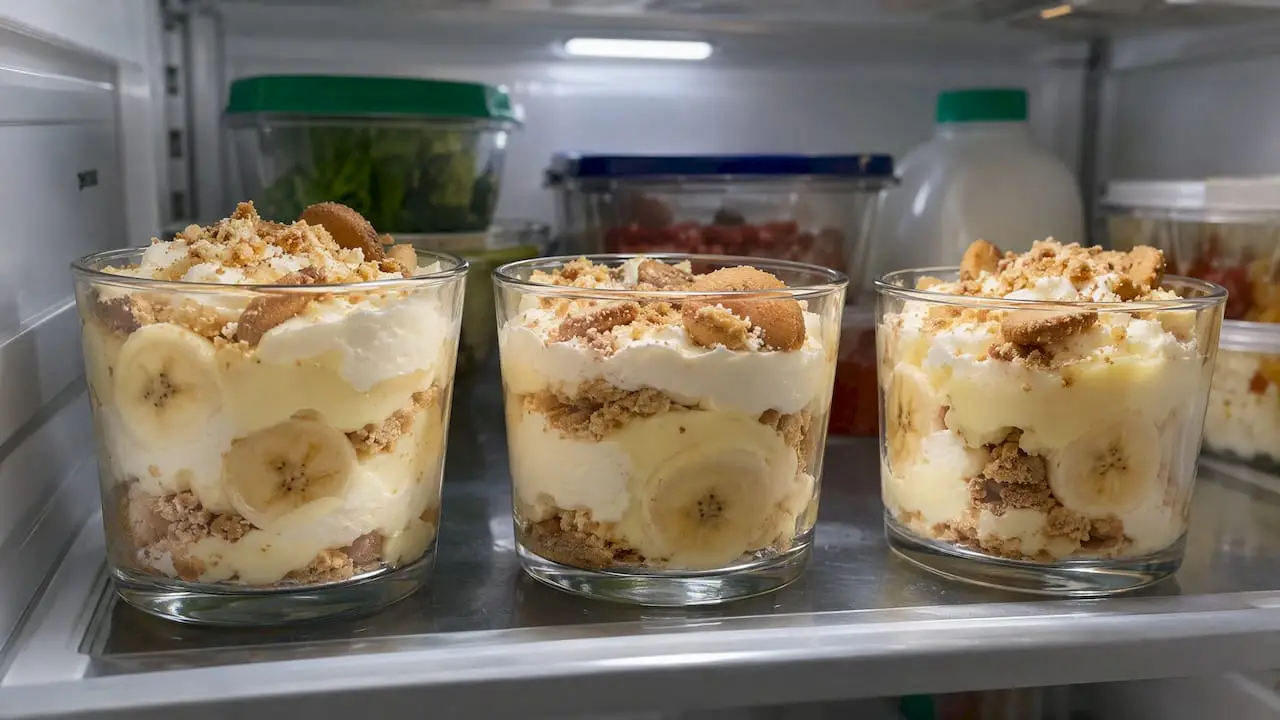
Icebox cakes, mousse cups, banana pudding and trifles all set in the refrigerator overnight. Allrecipes publishes a roundup of 17 no-cook Thanksgiving recipes that skip the oven and stovetop, including dips, finger foods, salads and no-bake desserts.
Make cold food taste finished
Roasting and browning give hot dishes depth. Cold dishes need that depth added back another way:
- Acid: lemon juice, a splash of vinegar, pomegranate seeds or pickled vegetables.
- Salt: season at the end and taste again, because chilled food tastes flatter than warm food.
- Texture: toasted nuts, seeds, crisp raw vegetables or crunchy breadcrumbs from the store.
- Temperature: take dishes out of the refrigerator a short while before serving, as cold mutes flavor. Keep that window short for perishable food (see the safety section below).
If you have a microwave or small appliances only
Not cooking in the oven does not mean not heating anything. Serious Eats shares nine no-oven Thanksgiving sides, including mashed potatoes, creamed spinach and air fryer vegetables, for kitchens where oven space is the bottleneck. Bon Appétit’s advice for small kitchens is to take stock of available appliances such as slow cookers, toaster ovens, air fryers or insulated coolers, then use them to keep dishes at serving temperature, as described in its Friendsgiving hosting guide.
A simple timeline for a no-cook Thanksgiving
Because prepared meals are made in limited quantities, the schedule matters more than the recipes. Dates for ordering windows, delivery slots and pickup cutoffs change every year, so check each provider’s own page for the current Thanksgiving schedule. The pattern below holds in most years.
- Four to six weeks out: decide your route and guest count. Contact a chef or caterer, since small-batch kitchens fill up first.
- Three weeks out: confirm the menu, dietary notes and the delivery or pickup day. Order any drinks, paper goods and decor.
- One week out: clear refrigerator space, since a holiday meal for a crowd takes a lot. Plan where each dish will be reheated.
- Two days out: buy any no-cook extras: cheese, fruit, bread, nuts, whipped cream.
- Day before: assemble dips and no-bake desserts. Set the table and arrange the serving dishes with sticky notes naming what goes in each.
- Thanksgiving Day: reheat in stages, starting with whatever takes longest, and put cold dishes out last.
If you are hosting a smaller dinner or a couple’s holiday, you can borrow ideas from our guides to a romantic dinner at home and a tasting menu at home, both of which plan pacing and plating for people who would rather not cook.
Serving, reheating and storing prepared food safely
Prepared food is only as good as how you handle it after it reaches your kitchen. These rules come from US food safety agencies and are worth following exactly.
Temperatures to know
- Reheating: the Maryland Department of Health’s food safety guide for group meals says foods cooked ahead and cooled should be reheated to at least 165°F, and sauces, soups and gravies should be brought to a boil. Commercially vacuum-sealed, ready-to-eat foods need to reach 140°F.
- Holding hot food: keep hot dishes at or above 140°F while serving.
- Refrigeration: the same guide says to refrigerate perishable food within 2 hours, or within 1 hour when the temperature is above 90°F, and to keep the refrigerator at 40°F or below. Perishables left out longer than 2 hours should be discarded.
Reheating turkey
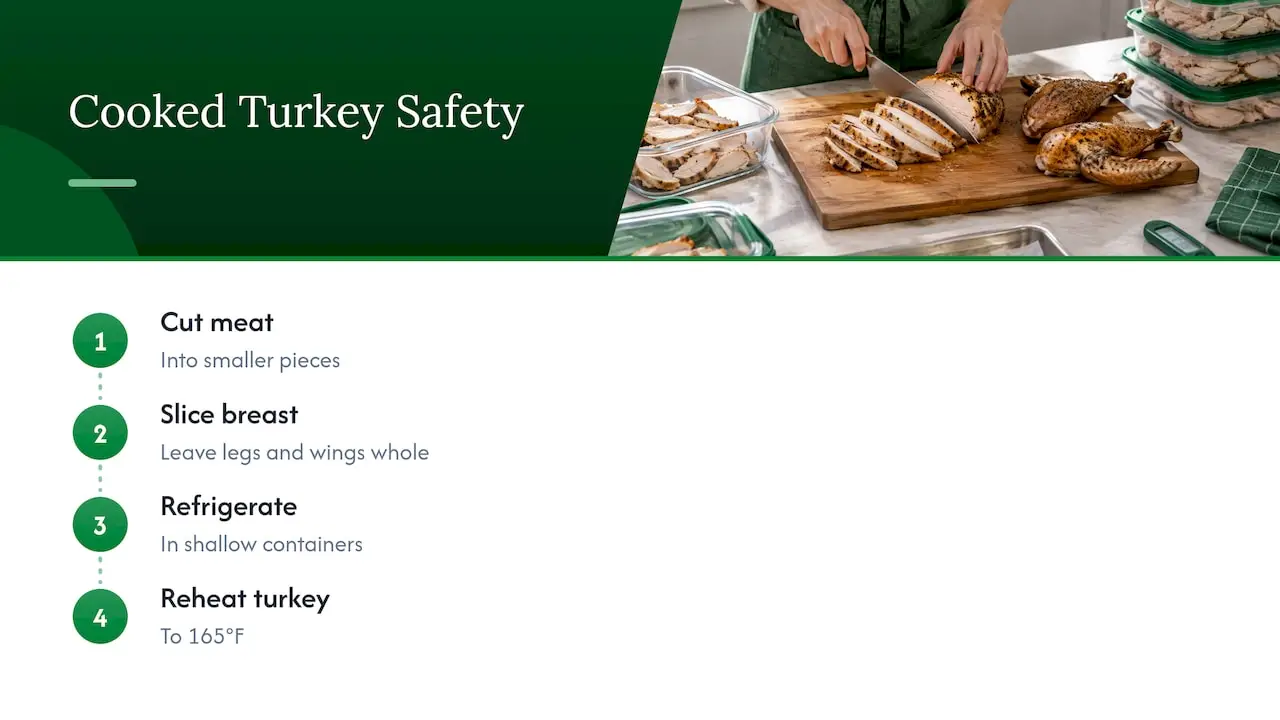
The USDA Food Safety and Inspection Service does not recommend reheating a whole turkey. Its guidance on handling cooked turkey dinners says to cut the meat into smaller pieces, slice the breast, leave legs and wings whole, refrigerate in shallow containers, and reheat to 165°F.
Leftovers
University of Nebraska-Lincoln Extension notes that cooked turkey keeps in the refrigerator for 3 to 4 days, and that frozen turkey is best used within 2 to 6 months. Label containers with the date as you pack them, so no one has to guess on Sunday.
If anyone at your table is pregnant, elderly, very young or has a weakened immune system, ask their doctor about specific food precautions, and tell your chef about any allergy before the menu is finalized.
Making the day feel like Thanksgiving
The food is only half of it. A table that looks and smells like the holiday does a lot of the work, and none of it requires a stove.
- A welcoming front of the house. The Seattle Times, in its holiday home design piece, suggests bowls of fresh fruit and nuts on living room or entryway tables, plus candles and flowering bulbs. A setup like this keeps guests out of the busy kitchen.
- A drinks and snack station. A pitcher of spiced cider, a bottle of wine and a cheese board in the living room let guests serve themselves while you handle the main dishes.
- Assign small jobs. Guests who offer to help can handle music, drinks or clearing plates. It makes them feel included and saves you effort.
- Look at how restaurants frame the holiday. A restaurant Thanksgiving menu is a useful picture of how a holiday spread can be composed from handmade dishes that you serve rather than cook, with a few simple bites to welcome people while the main course is readied.
If you want to extend the spirit to others, our guide to housewarming catering ideas has portion and safe-serving tips that also work for a holiday open house. And if the holiday includes gifts for hosts or faraway relatives, see how to send a food gift that arrives below 40°F or browse make-ahead edible gift ideas.
Thanksgiving alone, or in a small space
Not every no-cook Thanksgiving involves a crowd. If you are spending the day on your own, a single plate of favorites from a chef-prepared order, or a few dishes from your local grocery, is plenty. For people who want company, The Cut suggests volunteering with groups such as VolunteerMatch, which gives you a chance to meet other volunteers and do something useful.
In a small apartment, scale the menu to the equipment. A toaster oven or air fryer can warm a few sides, a cooler can hold drinks, and a board and two or three dips can replace a full buffet. Seat guests in rounds if the table is tight, and serve in courses.
Our perspective: a holiday meal should be cooked by someone who cares, not by you at midnight
At VJ Cuisine, we believe Thanksgiving is about the people at the table, not the person bent over the stove. When Chef Virginia plans a holiday menu, she starts with the same question we ask for every meal plan, private dinner and catering order: who is sitting down, and what do they need?
That is why we cook in small batches and never freeze our food. A fresh, small-batch dish has the flavor and texture you remember from a family kitchen. Our Haitian-Lebanese roots shape how we season, so even familiar dishes arrive with depth that mass-produced holiday packages tend not to have.
We also think the conversation matters as much as the cooking. You talk with the chef directly, so a gluten-free guest, a vegetarian cousin or a picky grandparent is planned for from the start, rather than handled with a single sad plate.
Our advice is simple. Decide early, tell your chef everything about your table, and let us handle the rest. Then take the time you save and spend it on your guests.
Virginia Jiha
Let us take Thanksgiving off your plate
If you are in Miami and want a fresh, chef-prepared holiday, we can build a menu around your guests, your dietary needs and your kitchen. Start with our Thanksgiving catering page, then reach out through our catering page to tell the chef about your table. If you would like a restaurant-style evening at home instead, see our private dinners. Weekly families can also look at our meal plans to keep the week around the holiday easy as well.
Because our kitchen works in small batches, we recommend reaching out as early as you can. Current availability is confirmed directly with us.
FAQ
What can you do for Thanksgiving without cooking?
You can order a chef-prepared dinner, pick up a ready-made holiday meal, serve a no-cook menu of boards, dips, salads and no-bake desserts, or host a potluck where guests bring finished dishes. Many hosts combine two options, such as a prepared main course with cold sides and dessert.
How far ahead should I order a prepared Thanksgiving dinner?
Order as early as you can, ideally several weeks ahead, because small-batch kitchens and store programs have limited capacity. Each provider sets its own ordering and pickup dates each year, so check its official page for the current schedule.
Is it safe to reheat a prepared Thanksgiving turkey?
Yes, with the right method. The USDA advises against reheating a whole turkey: cut the meat into smaller pieces, store it in shallow containers, and reheat to 165°F. Refrigerate leftovers within 2 hours and eat them within 3 to 4 days.
What are good no-cook Thanksgiving dishes?
Cheese boards, whipped feta or cranberry cream cheese dips, shaved Brussels sprout salad, cabbage slaw, pasta salad, fruit salad, and no-bake desserts like icebox cake or mousse cups all work well. Add acid, salt and something crunchy so cold dishes taste finished.
Sources
- 17 No-Cook Thanksgiving Recipes, Allrecipes
- 9 No-Oven Thanksgiving Sides, Serious Eats
- How to Host the Ultimate Friendsgiving, Bon Appétit
- Cooking for Groups: A Volunteer’s Guide to Food Safety, Maryland Department of Health
- Turkey Basics: Handling Cooked Dinners, USDA FSIS
- Turkey 101, University of Nebraska-Lincoln Extension
- Creating a home design that will provide joy throughout the holidays, The Seattle Times
- 14 Things to Do If You’re Alone on Thanksgiving, The Cut