
A diabetic friendly meal plan starts with one simple tool: the Diabetes Plate. Fill half your plate with nonstarchy vegetables, a quarter with lean protein, and a quarter with quality carbohydrates, then keep your carbohydrate portions consistent from meal to meal. This guide includes a ready-to-use multi-day plan, quick recipes, and safety rules for low blood sugar, plus how a tailored, delivered plan like VJ Cuisine’s can make the routine easier to keep.
Key Takeaways:
- Most meals should keep carbohydrate portions consistent, with half of the plate filled with nonstarchy vegetables, a quarter with lean protein, and a quarter with quality carbs.
- Swapping refined grains and sugary foods for whole grains, fiber-rich vegetables, and unprocessed proteins helps stabilize blood sugar levels effectively.
- Regular meal spacing of three to four hours and planning snacks around medication schedules prevent blood sugar fluctuations and lows.
- Prepared, delivered meal plans designed around the plate method can reduce daily friction and prevent glucose swings caused by missed or delayed meals.
- Consulting healthcare professionals before making dietary changes is crucial, especially when managing medications or underlying health conditions.
|
Make Healthy Meals Easier
VJ Cuisine delivers fresh, chef-crafted meal plans tailored to dietary needs, helping busy Miami clients simplify everyday dining. Explore VJ Cuisine |
A sample week of diabetes friendly meals you can start today
This plan gives you a full day’s structure you can repeat with small swaps across the week. Each meal follows the plate method, so portions stay consistent without needing to weigh every ingredient.
- Breakfast: Two eggs scrambled with spinach and peppers, plus half a cup of berries. Ready in 10 minutes.
- Lunch: Grilled chicken over mixed greens with chickpeas, olive oil, and lemon. Swap chicken for tofu or salmon.
- Snack: An apple with a tablespoon of natural peanut butter.
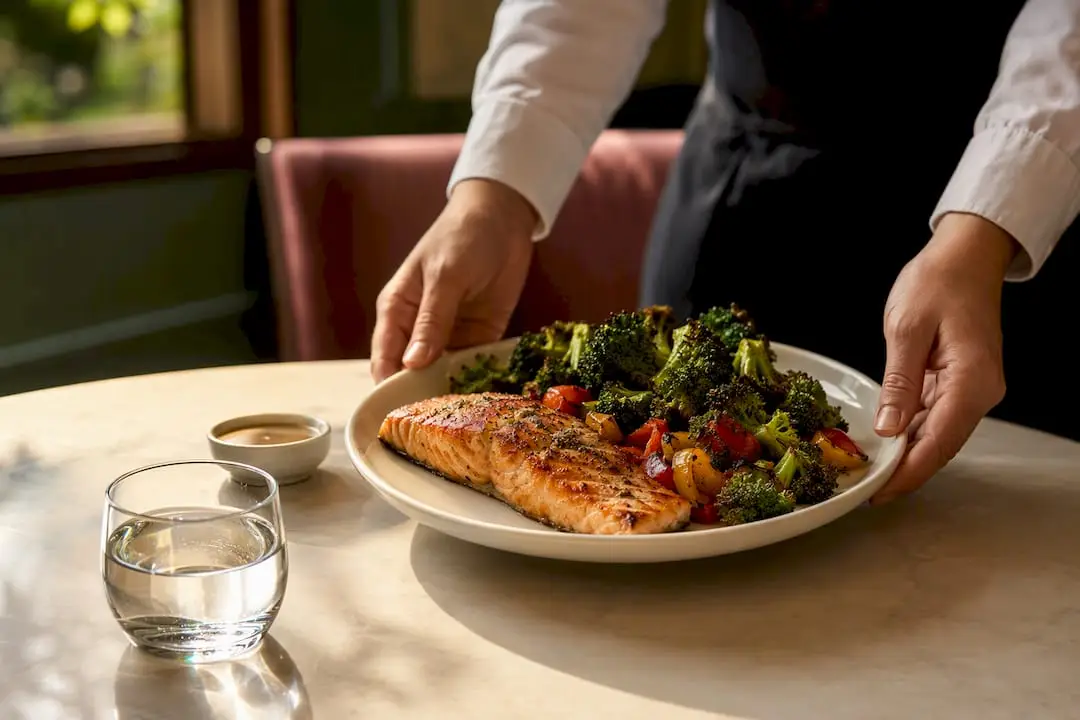
- Dinner: Baked salmon, roasted broccoli, and a half cup of quinoa. Swap quinoa for brown rice or farro.
- Evening snack (optional): Plain Greek yogurt with a few walnuts.
Repeat this structure for the rest of the week, rotating proteins (turkey, shrimp, lean beef, beans) and vegetables (zucchini, green beans, cauliflower, asparagus) so meals stay interesting without changing the portions.
Your grocery list for the week stays simple: eggs, leafy greens, mixed peppers, berries, chicken breast, salmon fillets, chickpeas, Greek yogurt, walnuts, apples, broccoli, quinoa, and olive oil. Buying in bulk and prepping proteins on a Sunday cuts your weekday cooking time down to minutes. For more on turning a weekly plan into a lasting habit, see this guide on building lasting healthy habits around meal delivery.
Simple diabetes friendly recipes and easy swaps
These recipes are quick, low in added sugar, and built around fiber and lean protein so they support steadier blood sugar after eating.
- Egg muffins: Whisk six eggs with chopped spinach and diced tomato, pour into a muffin tin, and bake at 350°F for 18 minutes. Good for grab-and-go breakfasts all week.
- Greek yogurt berry bowl: Combine plain Greek yogurt, a half cup of mixed berries, and a tablespoon of chopped almonds. No added sugar needed.
- Tuna and bean lettuce wraps: Mix canned tuna, white beans, celery, and olive oil, then wrap in large lettuce leaves instead of bread.
- Salmon with roasted vegetables: Season salmon with lemon and herbs, roast at 400°F for 15 minutes alongside broccoli and zucchini.
- Hummus and vegetable sticks: Pair hummus with carrot, cucumber, and bell pepper strips for a fiber-rich snack.
- Apple with nut butter: Slice an apple and pair it with a tablespoon of almond or peanut butter for a snack that pairs fiber with fat and protein.
Swap white bread, white rice, and sugary yogurt for whole-grain versions, brown rice or quinoa, and plain yogurt whenever a recipe calls for them.
Building your plate: portions and quality carb choices
The Diabetes Plate divides a 9-inch plate into three sections: half nonstarchy vegetables, a quarter lean protein, and a quarter quality carbohydrates. According to the University of Georgia Cooperative Extension, this method lets you manage portions visually without counting every gram of carbohydrate, and it works well for most everyday meals. Carbohydrate counting still helps for insulin dosing or when portions are less predictable, such as eating out or trying a new recipe.
Good choices for each section include:
- Nonstarchy vegetables: broccoli, spinach, peppers, zucchini, green beans.
- Lean proteins: chicken breast, fish, tofu, eggs, beans.
- Quality carbohydrates: quinoa, brown rice, sweet potato, whole-grain bread, oats.
- Healthy fats: olive oil, avocado, nuts, and seeds in moderate amounts.
A useful target: aim for carbohydrate choices with roughly 2.5 grams of fiber or more per serving, since fiber-rich, minimally processed carbs tend to blunt the glucose rise after eating compared with refined versions.
Meal timing, snacks, and treating low blood sugar safely
Spacing meals roughly three to four hours apart helps keep blood sugar steadier through the day, and snacks should be planned around your medication schedule rather than added at random. If you take insulin or a sulfonylurea, talk with your care team before shifting your usual meal times, since these medications raise the risk of lows when eating patterns change.
- Eat consistent, moderate meals every three to four hours rather than large, spaced-out ones.
- Choose snacks with protein or fiber, like nuts or vegetables with hummus, instead of straight carbohydrate.
- Keep fast-acting carbs like glucose tablets or juice on hand for treating lows.
If blood sugar drops below 70 mg/dL, treat it right away. The NIDDK recommends 15 to 20 grams of fast-acting carbohydrate, then rechecking blood sugar after 15 minutes and repeating if it’s still low.
Pro Tip: Resist the urge to eat a large meal to fix a low. Overtreating is common and often causes a rebound high a couple of hours later.
Shopping smart and eating out without losing your routine
A stocked kitchen makes the plate method easier to follow on busy days. Keep a rotating list of staples on hand so you’re never starting from zero.
- Produce: leafy greens, peppers, broccoli, berries, apples, zucchini.
- Proteins: eggs, chicken breast, salmon or tuna, tofu, beans.
- Pantry staples: quinoa, brown rice, olive oil, nuts, plain yogurt.
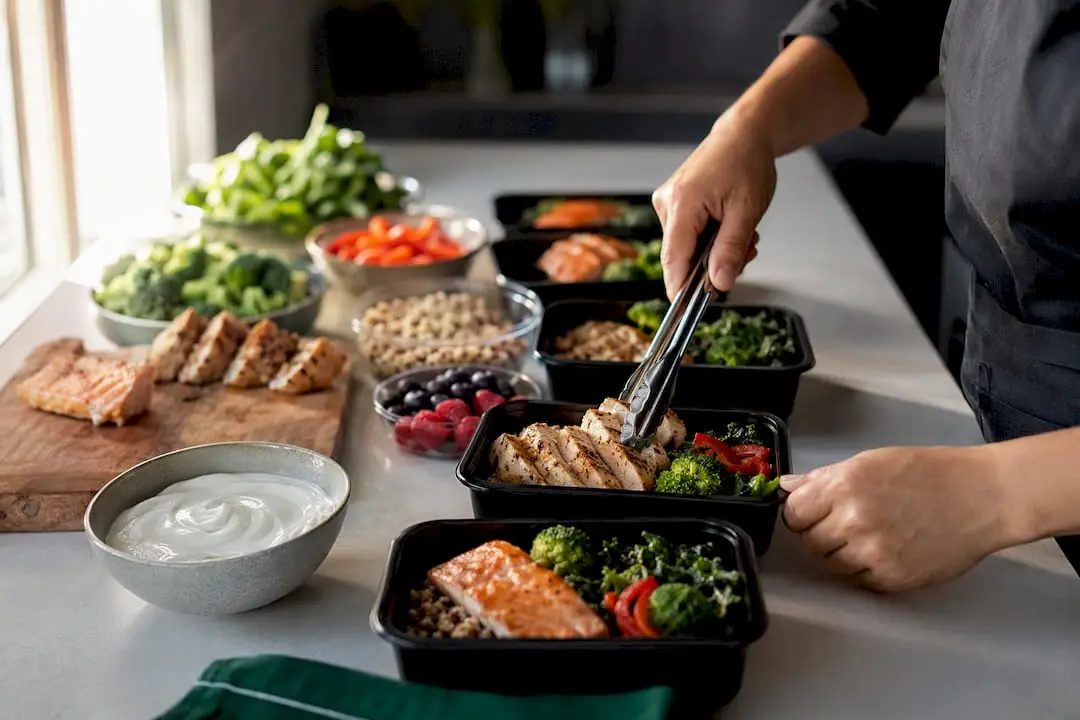
Batch-cook a protein and a grain each weekend, then assemble bowls through the week by adding fresh vegetables. Portion cooked meals into single-serving containers, and freeze extras for nights when cooking isn’t an option. These habits are the same ones behind meal-prep strategies that keep portions and timing consistent without daily effort.
When eating out, choose a grilled or baked protein, ask for double vegetables in place of fries or rice, and request sauces and dressings on the side so you control how much sugar or fat ends up on the plate.
When to loop in your health team before changing your diet
Talk with your doctor, a registered dietitian, or a certified diabetes care and education specialist before making major changes if you have recurrent low blood sugar, are pregnant, have kidney disease, or have seen a rapid shift in your A1C. Low-carb and very-low-carb eating patterns can lower A1C and support weight loss for some people, but they often require medication adjustments and closer glucose monitoring, so they need supervision rather than a solo trial. Current ADA guidance supports an individualized approach that coordinates food, medication, and activity together.
Why a tailored, delivered meal plan removes daily friction
Skipped meals and inconsistent timing are two of the most common causes of glucose swings, and they’re also the easiest problems to fix with a delivered routine. This service builds chef-crafted, small-batch meals tailored to dietary needs, including diabetes-friendly requests, so portions and timing stay consistent without daily decision-making. When meals show up ready to eat at the same intervals each week, there’s less room for the missed or delayed meals that tend to cause the highs and lows this guide is built to avoid.
Getting started with a diabetes friendly plan from VJ Cuisine
Customized menus are designed around your dietary needs, prepared fresh in small batches, and delivered directly to your home. During onboarding, you’ll share your preferences and any diabetes-related requirements so each week’s menu fits your plate targets without extra planning on your end. Explore the meal plans page to see delivery options and start a conversation about a plan built around your needs.
This article is general information, not a substitute for advice from a qualified doctor. Consult a qualified healthcare professional about your own circumstances before acting on anything here.