
Pikliz (pronounced pee-kleez) is a Haitian pickled vegetable condiment made from shredded cabbage, carrots, onion, and fiery Scotch bonnet or habanero peppers, soaked in vinegar or citrus until crisp and tangy. It sits on nearly every Haitian table as a spicy counterpoint to fried or rich dishes like griot or rice and beans. One spoonful, and you understand why it has earned a permanent spot next to the main course rather than inside it.
Key Takeaways:
- A basic refrigerator batch takes about 15 minutes to prepare; wait at least 24 hours before serving, and wear gloves when slicing hot peppers.
- A refrigerated batch keeps for a few weeks if vegetables stay submerged and utensils remain clean; discard it for mold, slime, or an off smell.
- Most quick pickles rely on vinegar and lack live probiotic cultures; fermented versions require a salt brine and tested fermentation guidance.
- For nontraditional meals, spoon pikliz over tacos, burgers, sandwiches, scrambled eggs, or pizza instead of simmering it into the dish.
|
Bring Haitian-Lebanese Flavors Home
VJ Cuisine offers fresh, small-batch meals rooted in Haitian-Lebanese culinary heritage, prepared for busy Miami households. Explore VJ Cuisine |
What Goes Into Pikliz and Common Recipe Variations
A traditional batch starts with shredded cabbage and carrots, then builds in onion, bell pepper, scallions, and garlic for depth. Scotch bonnet or habanero peppers provide the heat, and vinegar, lime, or sour orange (sometimes a blend) supplies the acidity that ties everything together, according to the Journal of Ethnic Foods.
Households vary the formula constantly. Some add cloves or a bay leaf for warmth, others skip the bell pepper or swap lime for straight vinegar depending on what is in the kitchen.
- Cabbage and carrots form the crunchy base in nearly every version.
- Onion, garlic, and scallions add aromatic sharpness.
- Scotch bonnet or habanero chiles bring the signature heat.
- Vinegar, lime, or sour orange acidifies and preserves the mix.
Most recipes you will find are quick, vinegar-acidified pickles rather than true ferments, a distinction worth keeping in mind as you shop for peppers and gather ingredients. Wear gloves when handling Scotch bonnets or habaneros, and avoid touching your face or eyes until you have washed your hands thoroughly.
What Does Pikliz Taste and Feel Like?
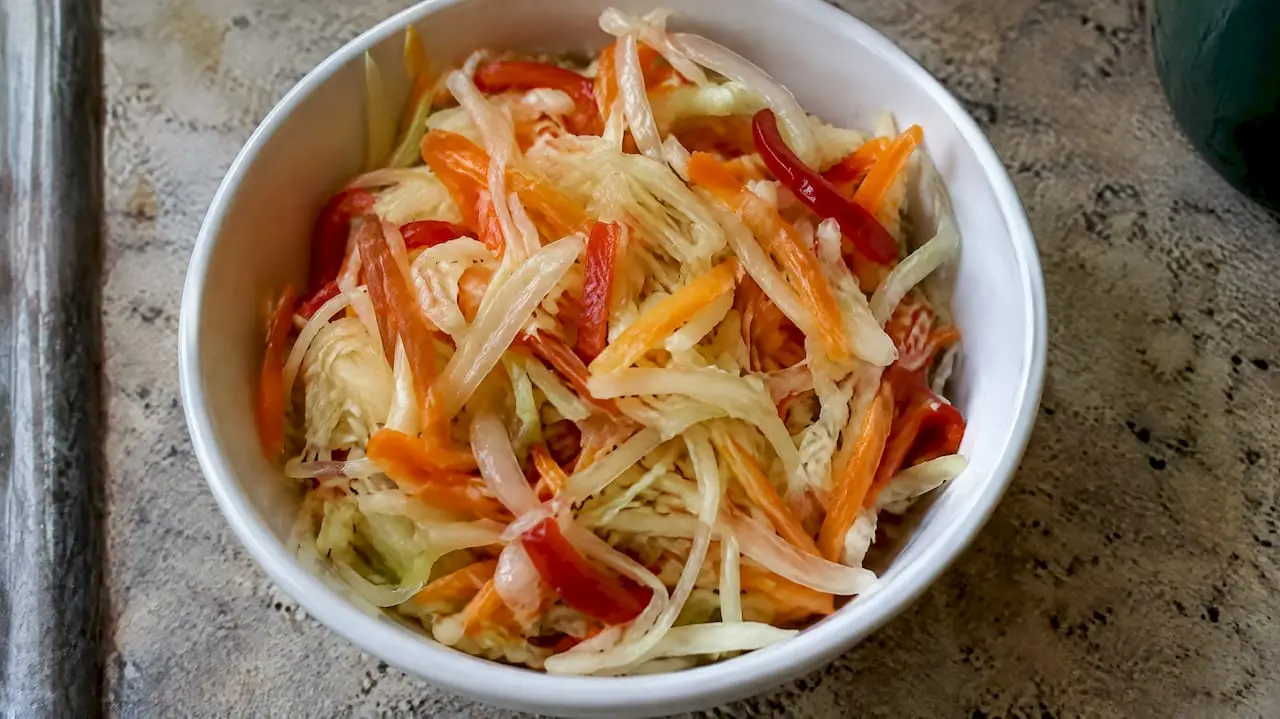
Pikliz delivers a sharp, layered bite: crisp cabbage, tangy acid, a hit of salt, and a slow-building heat that lingers rather than overwhelms. The vinegar or citrus cuts straight through the richness of fried or fatty foods, which is exactly why it shows up beside them so often.
Texture matters as much as flavor here. Freshly made pikliz is crunchy and bright, while a batch that has rested for a day or two softens slightly and develops a deeper, more rounded tang, a pattern the Food & Wine recipe calls out directly. Thin, even shredding keeps that crunch intact longer; chop the vegetables too finely and you end up with a softer relish instead of a slaw.
How Haitians Serve Pikliz, and Modern Pairings
In Haitian kitchens, pikliz is a fixture beside fried and grilled staples. It almost always arrives spooned onto the plate rather than stirred into the dish itself, a serving style confirmed by The New York Times recipe collection.
Classic pairings include:
- Griot (fried pork) and tassot (fried beef or goat), where the acid balances the richness.
- Bannann peze (fried plantains), which gain brightness from a spoonful on top.
- Rice and beans, a staple combination that benefits from pikliz’s sharp contrast.
Outside traditional Haitian meals, pikliz works well on tacos, burgers, sandwiches, scrambled eggs, or even a slice of pizza. Treat it the way you would a hot sauce or relish: a finishing touch added at the table, not a cooking ingredient simmered into the dish.
A Simple Refrigerator Pikliz Recipe
Making a basic batch at home takes about 15 minutes of prep and no special equipment. A good starting ratio is one small head of cabbage, two carrots, one onion, two to four Scotch bonnet or habanero peppers, two cups of vinegar, and the juice of one or two limes.
- Shred the cabbage and carrots thinly, and slice the onion and peppers into thin rounds or strips.
- Pack the vegetables into a clean glass jar, layering the peppers throughout rather than dumping them in one spot.
- Mix the vinegar and lime juice with a pinch of salt in a separate container.
- Pour the vinegar mixture over the vegetables until they are fully submerged.
- Seal the jar and refrigerate.
Flavor builds over time. Most recipes, including the version from The Spruce Eats, suggest waiting at least 24 hours before serving, with the best flavor arriving after two to three days in the refrigerator.
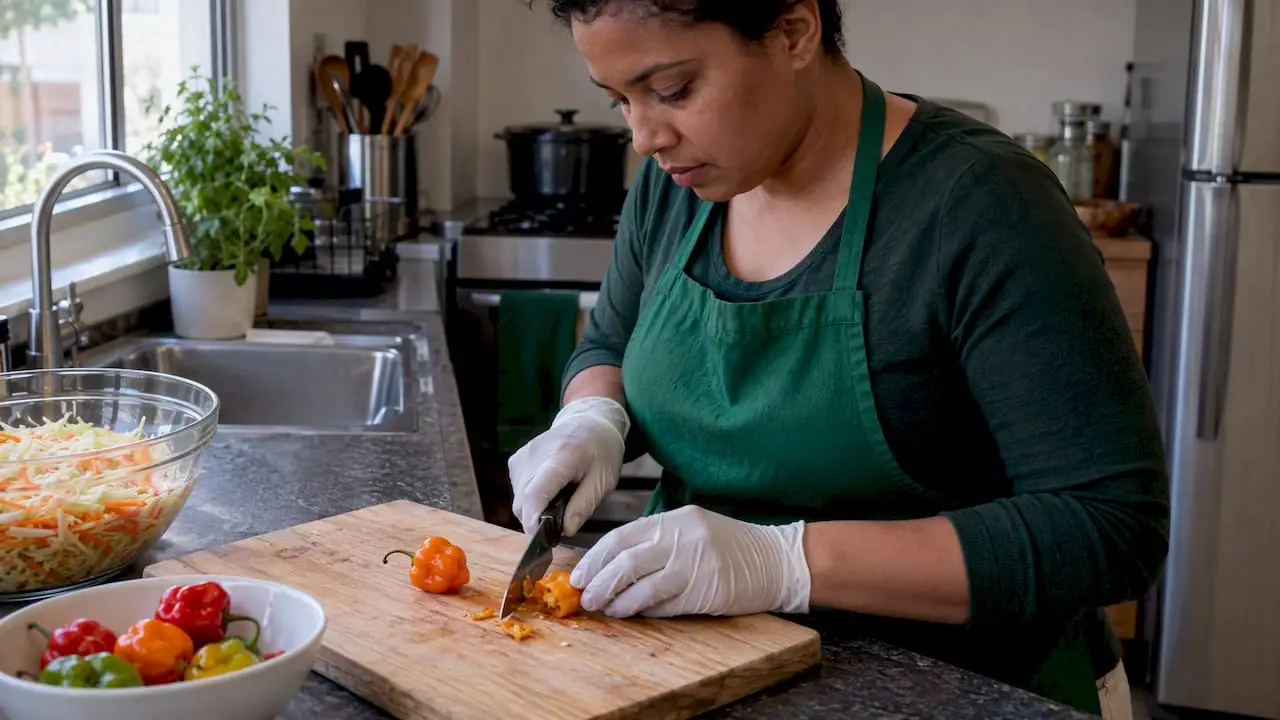
Pro Tip: Wear kitchen gloves when slicing Scotch bonnets or habaneros, since their oils cling to skin and can irritate your eyes for hours if you forget and rub them.
How Long Pikliz Lasts and Signs It Has Spoiled
A properly made refrigerator batch of pikliz typically keeps for a few weeks, provided the vegetables stay fully submerged in the vinegar mixture and you use clean jars and utensils each time you serve it, following guidance from Oregon State University Extension.
Check before you serve a batch that has been sitting for a while. Mold on the surface, a slimy texture, or an off, rotten smell all mean it is time to discard the jar rather than taste it to find out. If you want a shelf-stable, canned version instead of a refrigerator pickle, follow a tested canning recipe with the correct vinegar ratio; cutting back on acidity to suit your taste is not a safe shortcut for anything meant to sit outside the refrigerator.
Is Pikliz Probiotic? Fermented vs. Quick-Pickle Explained
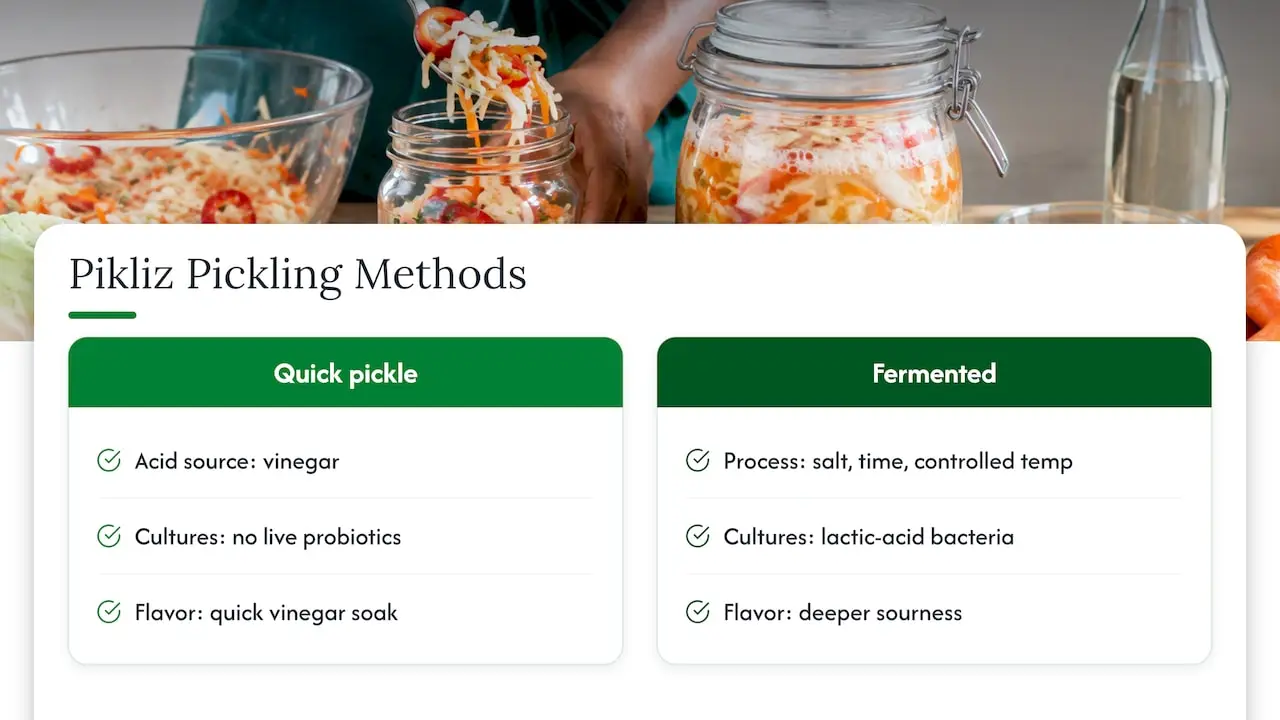
Most pikliz you will find in recipes, restaurants, or store shelves is vinegar-acidified, not fermented, which means it does not carry live probiotic cultures. Vinegar-based quick pickles remain the dominant form sold and shared in recipes, according to the National Center for Home Food Preservation, and only a deliberately fermented batch develops those cultures.
True fermentation relies on salt, time, and controlled temperature rather than vinegar, allowing lactic-acid bacteria to develop naturally, as the Journal of Ethnic Foods explains. That process changes both the flavor, giving it a deeper sourness, and the microbial profile compared to a quick vinegar soak. If you want a fermented, probiotic-style pikliz, look for a recipe built around a salt brine and follow tested fermentation guidance rather than adapting a vinegar recipe on your own.
Chef Notes on Serving and Small-Batch Freshness
In a private-dinner setting, we treat pikliz as a finishing element rather than a background ingredient, often serving it in small jars so guests can control their own heat level. Balancing acidity against spice keeps it bright without overpowering the main dish.
Virginia Jiha, chef and founder of VJ Cuisine, builds Haitian-Lebanese flavors into meal plans, catering menus, and private dinners across Miami. A spoonful alongside grilled or fried proteins, or stirred into a bowl of rice and beans, is an easy way to borrow that same balance at your own table.
A Cultural Perspective on Pikliz
Pikliz resists a single fixed recipe, and that flexibility is part of what makes it feel so personal in Haitian households. Every family’s jar reflects its own heat tolerance, its own ratio of vinegar to citrus, its own quiet variations passed down without ever being written on paper.
Taste Chef-Made Haitian-Lebanese Flavors With VJ Cuisine
If making your own batch feels like more than you want to take on this week, we bring that same spicy, tangy balance to your table instead. Our meal plans and gifting options feature small-batch, never-frozen dishes rooted in Haitian-Lebanese heritage, built around fresh ingredients and a menu shaped around your preferences.
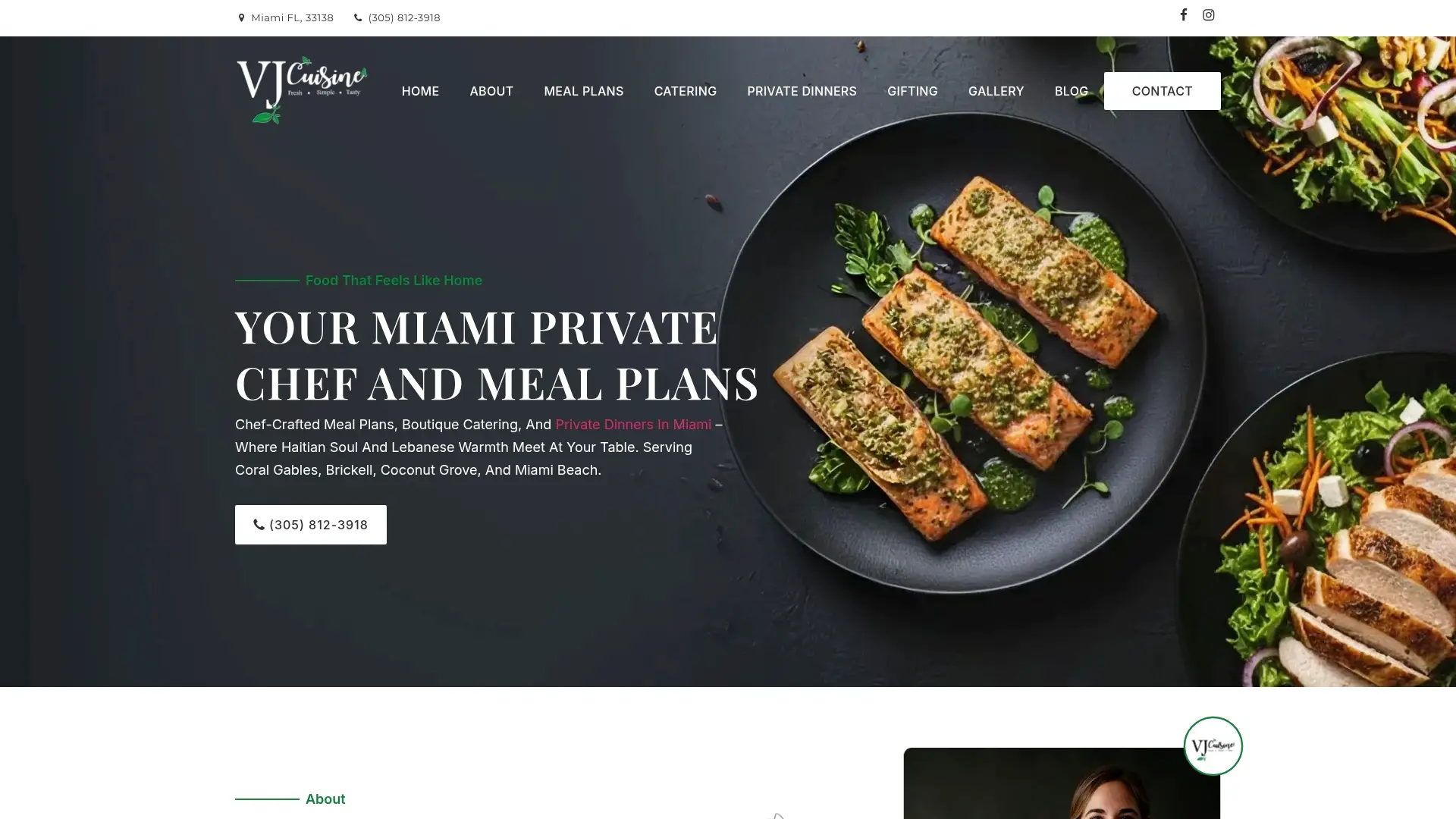
For an event, our boutique catering brings those same flavors to a room full of guests, while a private dinner puts a chef in your home for an evening built entirely around your table. Reach out through any of these pages to start planning a menu that includes the condiments and flavors you have been reading about.
Sources
- Valorization of pikliz: a spicy meal garnishment in Haitian cuisine | Journal of Ethnic Foods
- Pikliz (Haitian Spicy Pickled Cabbage) | Food & Wine
- Pikliz recipe | The New York Times
- Home food preservation guidance (extension publication) | Oregon State University Extension
- Pikliz recipe | The Spruce Eats