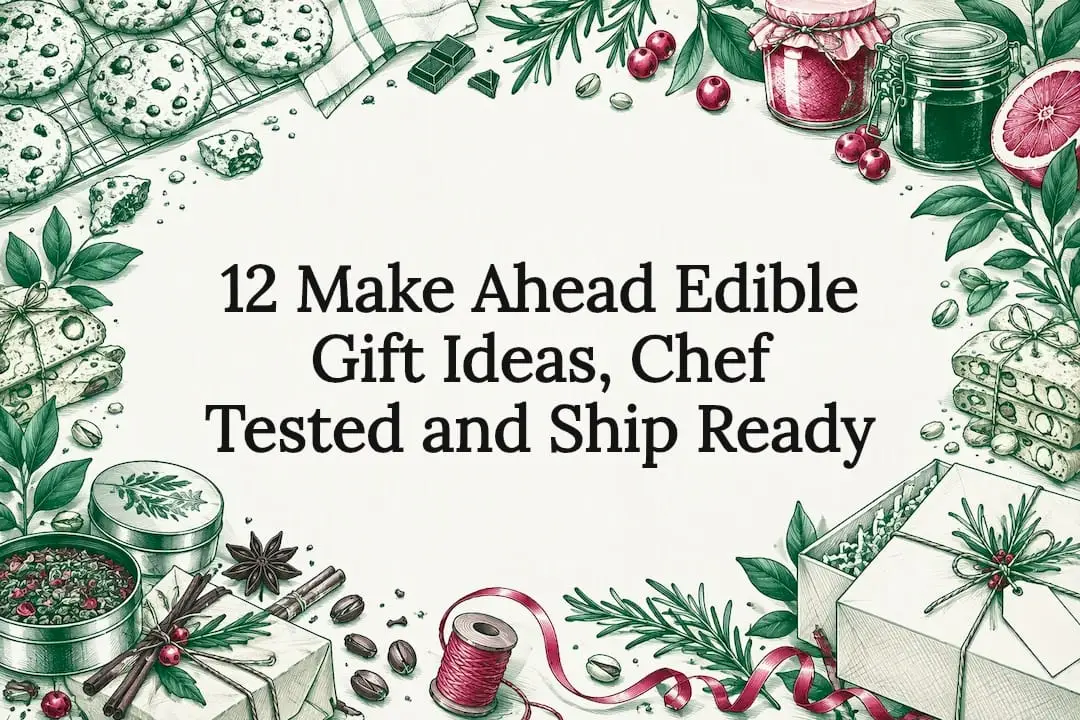
The easiest high-impact edible gifts are shelf-stable sweets, dry goods, preserves, and savory pantry items that can be made ahead, labeled clearly, and packaged without a refrigerator in sight. Prioritize recipes with tested shelf lives, note allergens on every label, and build in storage instructions so recipients know exactly what they’re holding. Below, we walk through specific ideas, safety rules, and packaging steps so your gifts arrive in great shape.
Key Takeaways:
- Shelf-stable gifts like granola, spiced nuts, and spice rubs are quick to batch, last weeks or months, and ship easily without refrigeration.
- Soft baked goods such as cookies or marshmallows should be sealed within two weeks and stored in airtight containers, with some items needing freezing for longer shelf life.
- Home canned preserves must be made from tested recipes with proper acidity to be shelf-stable, while low-acid or dairy products require refrigeration or freezing.
- Packaging should match the item, with labels including ingredients, allergens, date, and storage instructions, especially for refrigerated or perishable items.
- Ordering chef-made gifts from professional kitchens can save time, ensure dietary customization, and provide polished presentations for large or complex gift lists.
|
Give A Chef Crafted Gift
VJ Cuisine creates fresh, personalized culinary experiences for gifting, with options shaped around dietary needs and quality ingredients. Visit VJ Cuisine |
Quick shortlist: 12 easy edible gift ideas and how to store them
A few categories do almost all the work for a holiday gift list: they batch quickly, hold their quality for weeks, and travel without special handling. Here are twelve dependable picks.
- Toasted granola, best for coworkers or neighbors; keeps for several weeks at room temperature; mails well in a sealed bag or jar.
- Candied or spiced nuts, great for a crowd; keeps for several weeks; mails well.
- Herb or citrus sea salt, suits cooks and hosts; keeps for months in a dry jar; mails well.
- Homemade vanilla extract, a slow-build gift for bakers; shelf life is effectively indefinite according to USDA canning guidance; mails well.
- Fruit jam or preserves, best for family and close friends; keeps for several weeks when made with a tested recipe; mails well if sealed properly.
- Caramel sauce, a rich treat for dessert lovers; keeps about two weeks refrigerated or a few months frozen; ship only with a cold pack.
- Peppermint bark or chocolate bark, good for a crowd during winter holidays; keeps for a few weeks in a cool spot; mails well in cold weather only.
- Shortbread or butter cookies, classic and universally appreciated; keeps about one to two weeks; mails well.
- Homemade marshmallows, a fun gift paired with cocoa mix; keeps about two weeks; mails well.
- Infused olive oil, suited to home cooks, with caution around fresh herbs; best used within one to two weeks refrigerated.
- Spice rubs, ideal for grill enthusiasts; keeps for months in a sealed jar; mails well.
- Cocktail syrups or hot cocoa mix, festive and easy to personalize; keeps weeks to months depending on ingredients; mails well.
For large gift lists, granola, spiced nuts, and spice rubs are the fastest to batch. They need one cooking session, divide evenly, and tolerate simple packaging without special equipment.
Sweet gift ideas with storage and packaging tips
Cookies, biscotti, caramels, chocolate bark, candies, and marshmallows earn a spot on most gift lists because they’re familiar, easy to portion, and forgiving of imperfect technique. Biscotti and shortbread hold their texture well past a week, which makes them a safer bet than soft, cream-filled cookies that dry out or spoil faster.
Storage windows vary by ingredient, so match the timeline to the treat:
- Shortbread and biscotti: 1 to 2 weeks at room temperature in an airtight tin.
- Caramels and chocolate bark: 2 to 3 weeks in a cool, dry spot, or several months in the freezer.
- Marshmallows: about 2 weeks in a sealed container with cornstarch or powdered sugar to prevent sticking.
Presentation can stay simple: a glass jar with a ribbon, a kraft paper box lined with parchment, or a tin with a handwritten tag all read as thoughtful without extra cost.
Because nuts, dairy, and eggs appear in most sweet recipes, label every gift with the allergens it contains. A line like “Contains: tree nuts, dairy, eggs” takes seconds to write and prevents an uncomfortable surprise for a recipient with a food allergy.
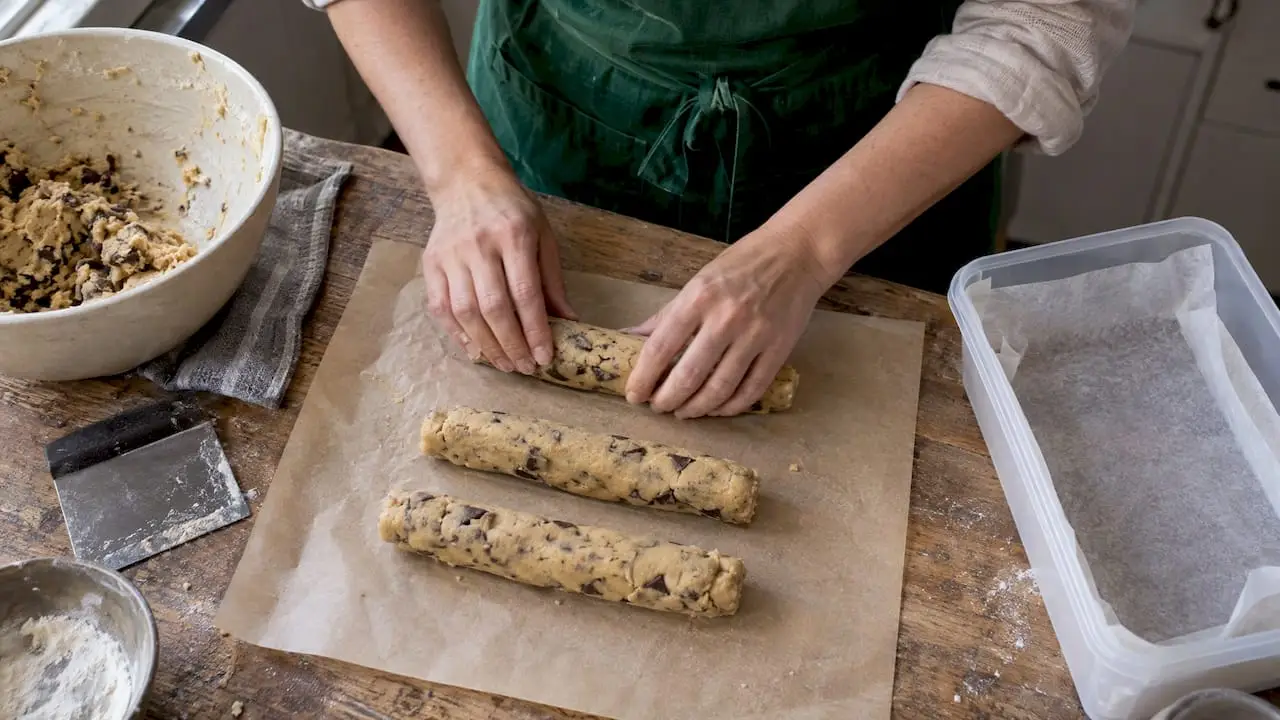
Pro Tip: Batch-bake your cookie dough and freeze it in pre-portioned logs, then slice and bake fresh the week you’re gifting for a just-made taste without the last-minute workload.
Savory gift ideas and how to present them
Savory gifts round out a list and suit recipients who prefer something other than sugar. Spiced nuts, rubbed salts, dried snack mixes, shelf-stable condiment powders, and properly sealed spice rubs all hold up well without refrigeration, which makes them easy to prepare weeks in advance.
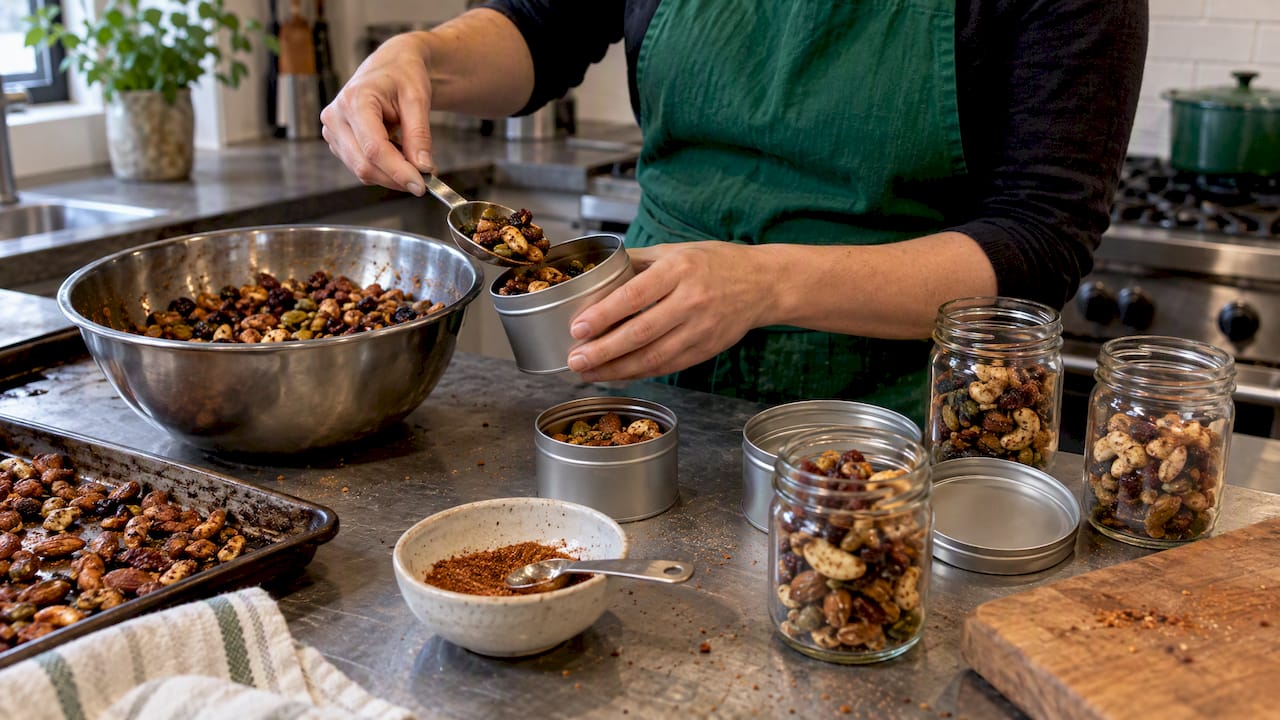
Infused oils and quick-pickles need more care. Fresh herbs in oil can create a botulism risk unless the herbs are dried first or the oil is acidified and kept refrigerated, according to University of Minnesota Extension. A safer approach is to infuse the oil briefly, strain out the solids, and tell the recipient to refrigerate it and use it within one to two weeks. Quick-pickles made without a tested canning process should also be treated as refrigerator items, not pantry gifts.
Pairing ideas add value without much extra effort:
- A jar of herb salt alongside a small bottle of olive oil and a loaf of crusty bread.
- A spice rub paired with a recipe card for a simple weeknight dinner.
- A dried snack mix tucked into a reusable produce bag with a ribbon tie.
Present savory gifts in clear glass or kraft containers so the ingredients are visible, and skip anything that requires the recipient to guess how it should be stored.
Home preserves and canning: what’s safe to gift and what to avoid
Jams, jellies, and other canned preserves are classic edible gifts, but they’re also where most safety mistakes happen. The rule that matters most: use a tested recipe from a reliable source, not an improvised one, because acidity and processing times determine whether a jar is actually shelf-stable.
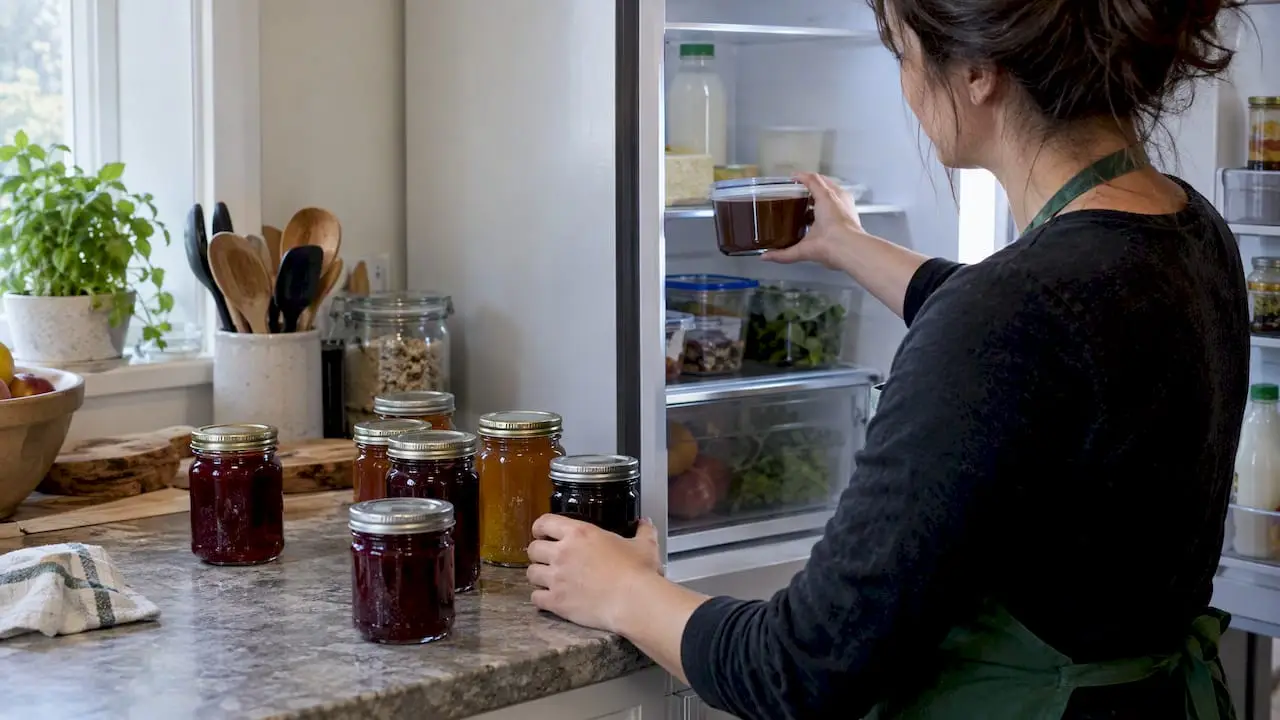
Some foods should never be canned at home for shelf storage. University of Minnesota Extension warns that homemade chocolate sauces and other low-acid, dairy-containing items are not safe to can for the pantry; they need to stay refrigerated, be frozen, or be gifted as dry mixes instead.
High-sugar, high-acid preserves made with tested recipes inhibit the bacterial growth that causes spoilage far more reliably than low-acid or dairy-based sauces, which is why USDA canning guidance treats them so differently in terms of shelf storage.
Before gifting any home-canned item, run through this checklist:
- Full ingredient list, so recipients with allergies or sensitivities know what’s inside.
- Date made, so no one is guessing how old a jar is.
- Storage instructions, including “keep refrigerated” if the item isn’t shelf-stable.
- Allergen notice for milk, eggs, tree nuts, or other major allergens.
When a recipe isn’t safe to can, a dry spice mix or a frozen, labeled portion makes an equally thoughtful substitute.
Packaging, labeling, and mailing best practices
Good packaging does two jobs: it keeps the food fresh and it tells the recipient everything they need to know before they taste it. Match the container to the item, then build your label around four details.
- Choose glass jars with tamper-evident lids for preserves and sauces.
- Use vacuum-sealed or zip-seal bags for dry goods like granola, nuts, and spice mixes.
- Reach for insulated mailers with cold packs for anything that needs to stay chilled in transit.
- Write labels that include ingredients, allergens, the date made, and storage or use instructions, with “keep refrigerated” called out clearly when it applies.
For shipping, stick to shelf-stable items on longer trips. A jar of spiced nuts can sit in a mail truck for days without issue; a caramel sauce cannot. When a chilled item has to travel, insulated packaging and a cold pack aren’t optional extras, they’re what keeps the gift safe to eat on arrival.
Pro Tip: Keep a simple label template on your computer with blanks for ingredients, date, and storage notes, so printing a new batch of labels takes minutes instead of an evening.
Make-ahead timeline and batch-production cheat sheet
Planning backward from your gifting date keeps quality consistent and takes the pressure off the final week. Sort your gift list by how far ahead each item can be made.
- Indefinite or long-term: vanilla extract, dry spice rubs, and herb salts can be made months ahead.
- One to four weeks out: granola, candied nuts, cookies, and preserves hold well in this window.
- Zero to three days out: caramel sauce, bark, and anything with fresh dairy should be made closest to delivery, or frozen and thawed just before gifting.
| Category | Make-ahead window | Storage method |
|---|---|---|
| Vanilla extract, spice rubs, salts | Months ahead | Room temperature, sealed |
| Granola, candied nuts, cookies, jam | 1 to 4 weeks ahead | Room temperature, airtight |
| Caramel, bark, fresh dairy items | three days or fewer ahead | Refrigerate or freeze, thaw before gifting |
For large batches, an assembly-line approach helps: cook in one large batch, portion into identical containers, let moisture-sensitive items cool fully before sealing, then label and stage everything together. This approach, recommended by gift-focused food writers at Simple Bites, keeps dozens of gifts looking consistent and cuts down on last-minute scrambling.
A private chef’s take on gifting at scale
Gifting for a long list changes the math. Our small-batch kitchen regularly handles dietary customization, which means we think about allergens and portioning from the first step, not as an afterthought.
Two shortcuts make a real difference: prep your mise en place for every recipe before you start cooking anything, so you’re not stopping mid-batch to measure, and build one label template you can reuse across every gift type instead of designing labels item by item.
Consider ordering instead of DIY-ing when your list is large, your recipients have overlapping dietary restrictions, or you simply don’t have the week it takes to batch, cool, and package everything properly.
How VJ Cuisine brings chef-made gifting to your list
When a gift list calls for more polish than a weekend allows, we handle the batching, the dietary customization, and the presentation so you don’t have to choose between quality and your own schedule. Our Haitian-Lebanese inspired kitchen prepares everything fresh and small-batch, never frozen shortcuts, which matters as much in a gift box as it does on a dinner plate.
- Suited to holiday gifting, client appreciation, and special occasions where presentation matters.
- A fit when dietary restrictions make DIY recipe research time-consuming.
- A fit when you want the gift ready to send rather than ready to start making.
If a list like this fits what you’re planning, our meal plans and gifting options are ready to book, or reach out about catering for larger events and corporate gifting.